


[Baby Care #9] First 72 Hours of Pregnancy Symptoms: What Really Happens
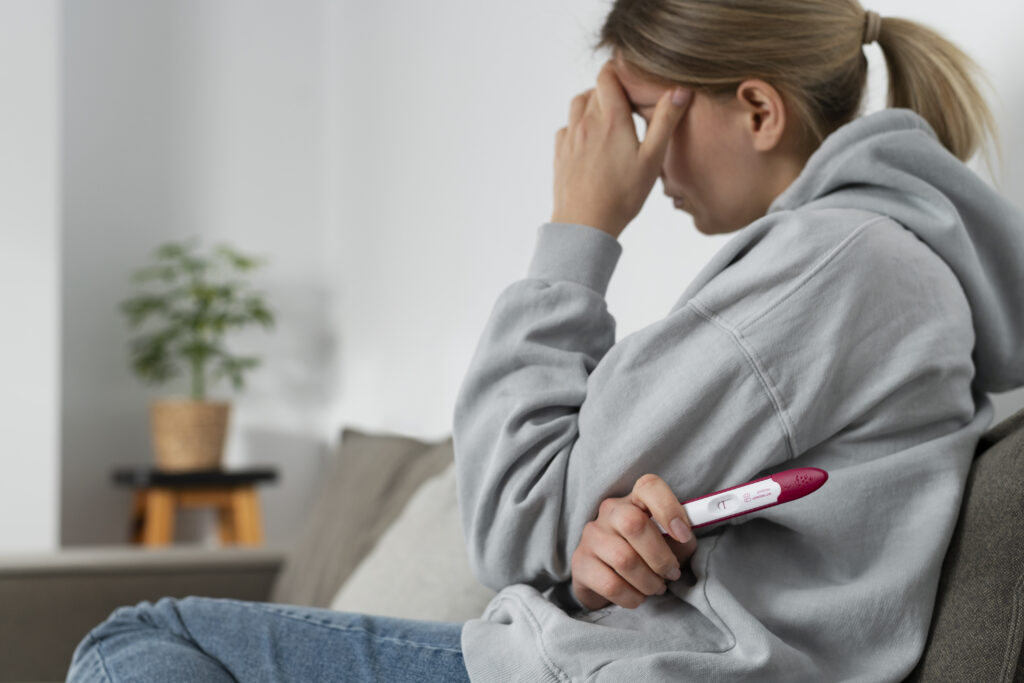
If you are searching for first 72 hours of pregnancy symptoms, here is the honest answer: there usually aren’t any. In the three days after conception, a fertilized egg is still traveling toward the uterus. Your body has no way yet to signal a pregnancy.
Any sensation you notice this early comes from ovulation or normal hormone shifts, not from the pregnancy itself. Real signs appear later, once the embryo implants and begins releasing hormones. Understanding this timeline helps you focus on what actually matters early on: planning and screening.
FAQs
Can you feel pregnancy symptoms in the first 72 hours?
No. In the first 72 hours a fertilized egg has not yet implanted, and no pregnancy hormone is produced. Any feelings this early relate to ovulation or normal cycle changes, not to the pregnancy.
When does implantation actually happen?
Implantation usually occurs 6 to 12 days after ovulation, averaging about 9 days. Only after the embryo attaches to the uterine lining does the body begin producing the pregnancy hormone that tests and symptoms depend on.
When can a pregnancy test detect pregnancy?
The hormone hCG can be detected only as early as 6 to 7 days after fertilization and rises rapidly after implantation. Testing during the first 72 hours will not give a positive result.
What early symptoms are real, and when?
A missed period, breast tenderness, fatigue, and nausea are common early signs. They typically appear one to several weeks after conception, once hCG levels climb, not within the first three days.
What should I do in the earliest days of pregnancy?
Focus on preparation rather than symptom-watching. Preconception carrier screening, prenatal vitamins, and a clinician visit deliver far more value early on than trying to detect symptoms that biology has not yet produced.
What is really happening in the first 72 hours
After fertilization, the single cell begins dividing as it moves down the fallopian tube. For the first few days it is a free-floating ball of cells with no connection to your bloodstream. Without that connection, it cannot send hormonal signals that produce symptoms.
Implantation, when the embryo embeds into the uterine lining, comes later. In naturally conceived pregnancies, the mean time of implantation was about 9.1 to 9.2 days after ovulation. A separate cohort found a range of 6 to 12 days, all well beyond the first 72 hours.
Why the pregnancy hormone matters
Human chorionic gonadotropin (hCG) is the hormone behind positive pregnancy tests and many early symptoms. It is made by the developing placenta, so it simply does not exist until implantation begins.
Research shows hCG can be detected only as early as 6 to 7 days after fertilization, and it begins rising rapidly around 8 days after ovulation. Detection timing varies widely too: one analysis found hCG first appeared in urine anywhere from day 6 to day 18 after ovulation. That is why testing too early gives a false negative.
The symptom timeline at a glance
- Days 1–3 (first 72 hours): no symptoms, no detectable hormone.
- Days 6–12: implantation occurs; hCG production starts.
- Weeks 4–6: missed period, fatigue, breast changes, nausea become common.
What actually deserves your attention early on
Since the earliest days offer nothing to detect, the better question is: what can you do now to protect a healthy pregnancy? This is where genetics becomes powerful. Many serious inherited conditions are recessive, meaning a child is affected only when both parents carry a variant in the same gene, and carriers usually have no symptoms themselves.
Carrier screening reveals these hidden risks before symptoms of any kind could appear. The 2021 ACMG practice resource recommends offering broad carrier screening to all pregnant women and those planning a pregnancy, ideally at the preconception stage.
How common are inherited risks?
More common than most people expect. In one large study of couples, 94.5% carried at least one disease-causing variant, with GJB2 (linked to hearing loss) and G6PD among the most frequent. Carrying a variant is normal; the key is knowing whether both partners carry a change in the same gene.
In a screening cohort of nearly 3,000 individuals, 2.26% of couples were identified as at-risk couples. When couples learn they are at risk, they can act: among at-risk couples in one study, 76% of those facing severe conditions took or planned steps such as IVF with genetic testing of embryos or prenatal diagnosis.
What a report should tell you
Quality matters. The ACMG advises that only pathogenic and likely pathogenic variants be routinely reported, which keeps results clear and clinically meaningful rather than ambiguous.
When to talk to a professional
If you are trying to conceive or newly pregnant, skip the stopwatch on symptoms and book a preconception or early prenatal visit. A clinician or genetic counselor can interpret your family history and decide whether carrier screening or other testing fits your situation. This article is educational and not a diagnosis.
You cannot detect a pregnancy in its first 72 hours, but you can prepare with clarity. Knowing your inherited risks early gives you real choices, long before any symptom would ever appear.
Carrier screening answers one part of the picture: whether you and your partner both carry a variant in the same gene. But even with clear carrier results, it can’t tell you whether your baby actually inherited a condition, or flag the many rare conditions that arise independently of parental carrier status.
That’s where 3B-NEO comes in. Ordered during pregnancy and run on a blood sample taken shortly after birth, 3B-NEO uses whole exome sequencing to screen for a broad panel of rare genetic conditions — turning the risk information from carrier screening into a direct answer about your baby’s own genetic health.
Full series
View all

Seong Eun
Marketing Manager
I’m turning genomic insights into impact.