


[Baby Care #4] Early Pregnancy Symptoms: What They Mean and When Genes Matter
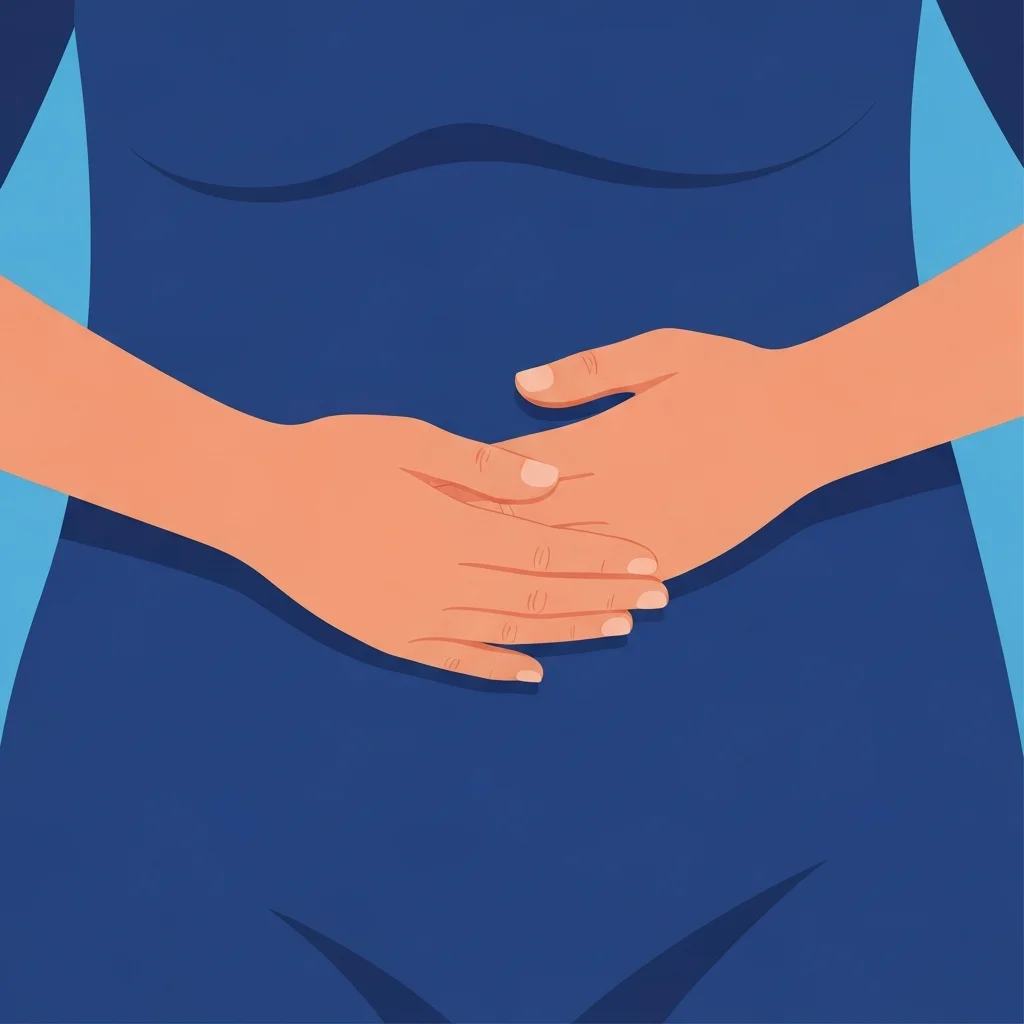
Early pregnancy symptoms are the body’s first response to the hormonal changes that begin days after conception. The most common early signs are a missed period, sore or swollen breasts, unusual tiredness, mild nausea, and more frequent urination.
These feelings usually start around the time of a missed period and are driven by rising levels of the pregnancy hormone hCG (human chorionic gonadotropin). Every body is different, so the timing and strength of symptoms can vary a lot.
FAQs
Q. What are the first signs of pregnancy?
A. A missed period is the most reliable early sign. Others include tender breasts, fatigue, mild nausea, heightened sense of smell, and frequent urination. These usually appear within the first few weeks after conception as hormone levels climb.
Q. How early can pregnancy symptoms start?
A. Some people notice changes as early as one to two weeks after conception, often around the time of a missed period. Many feel nothing at first. Both patterns are completely normal and do not predict pregnancy health.
Q. Can I be pregnant with no symptoms?
A. Yes. Many people have few or no early symptoms and still have a healthy pregnancy. Symptoms depend on individual hormone sensitivity. The only way to confirm pregnancy is a urine or blood test that detects hCG.
Q. Do early pregnancy symptoms mean the baby is healthy?
A. No. Symptoms reflect hormone levels, not the baby’s development or genetics. A healthy pregnancy can come with strong symptoms, mild ones, or none. Prenatal care and screening tests assess a baby’s wellbeing.
Q. When should I see a doctor?
A. Confirm pregnancy with a test, then book a prenatal visit. Seek care sooner for severe pain, heavy bleeding, or relentless vomiting. A clinician can also discuss genetic history relevant to pregnancy planning.
Why early pregnancy symptoms happen
After a fertilized egg implants in the uterus, the developing placenta starts releasing hCG. This hormone is what home pregnancy tests detect, and it signals the body to keep producing progesterone, which maintains the pregnancy.
Progesterone relaxes smooth muscle throughout the body. That single effect explains several symptoms at once: slower digestion (bloating and constipation), relaxed blood vessels (dizziness), and a sleepy, heavy feeling. Rising blood flow to the kidneys increases urination, according to MedlinePlus guidance on early pregnancy.
The most common early signs
- Missed period — often the first clue.
- Breast changes — tenderness, swelling, or tingling.
- Fatigue — driven by high progesterone.
- Nausea — “morning sickness” that can strike any time of day.
- Frequent urination — from increased blood flow and hormones.
- Food and smell sensitivity — sudden aversions or cravings.
What symptoms can—and cannot—tell you
Symptoms confirm that hormones are rising, but they are not a health report. Two people can feel completely different and both carry healthy pregnancies. That is why clinicians rely on tests, not feelings, to assess wellbeing.
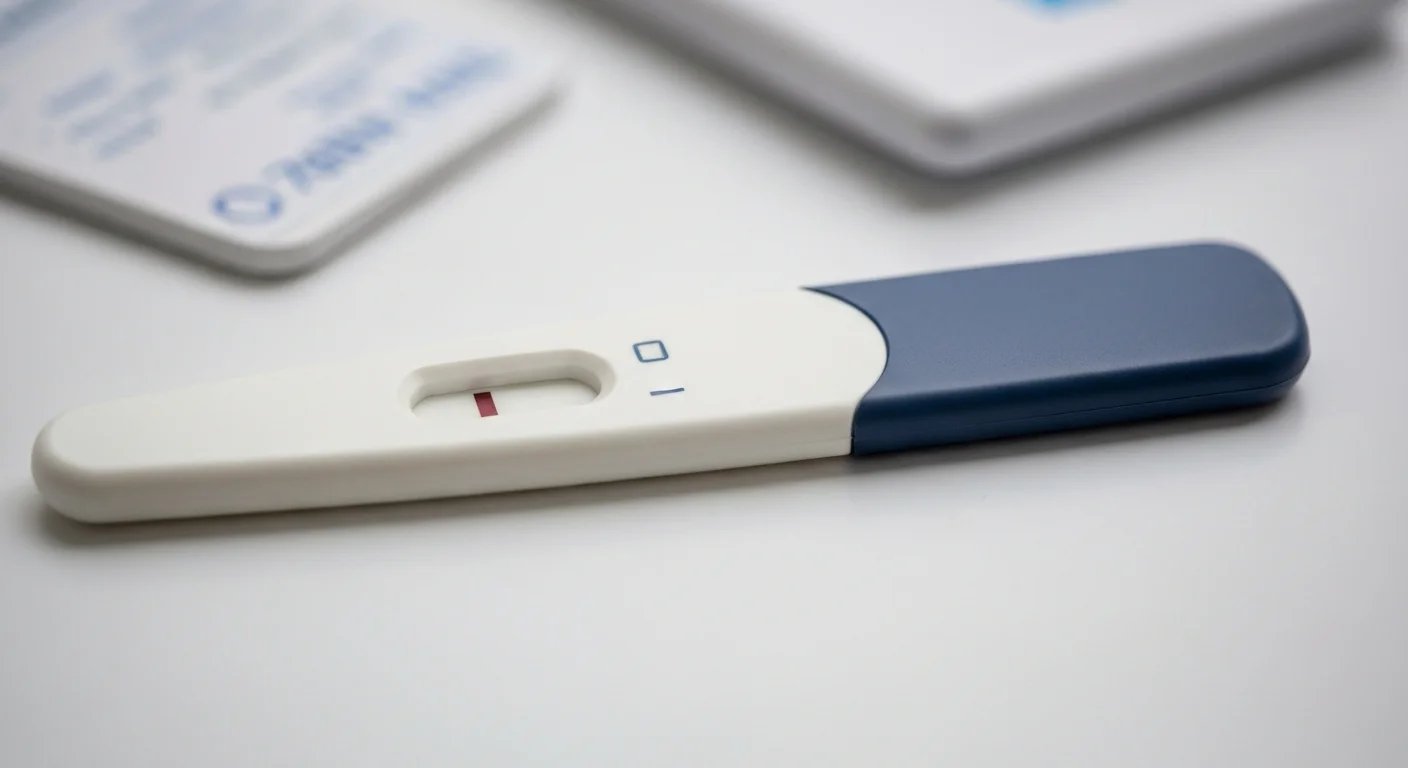
A home pregnancy test measuring hCG is the practical first step. A follow-up prenatal appointment then confirms dates and reviews your medical and family history.
Where genetics enters the picture
Symptoms tell you nothing about the genes you may pass on. Many serious childhood conditions are recessive—meaning a child is affected only if they inherit a non-working gene copy from each parent. Healthy carriers usually have no symptoms at all.
Common examples include cystic fibrosis, spinal muscular atrophy, and certain hemoglobin disorders. The American College of Medical Genetics and Genomics supports offering carrier screening to people who are pregnant or planning pregnancy, so couples can understand their reproductive risks in advance.
Carrier screening looks at your DNA, not your symptoms. It can identify whether both partners carry a change in the same gene—information that shapes decisions about testing, monitoring, and specialist care. For rare inherited conditions, this knowledge is often the difference between surprise and preparation, as outlined in GeneReviews clinical summaries.
Who might consider genetic testing
- Couples with a family history of a genetic or unexplained childhood condition.
- People from populations with higher carrier rates for specific disorders.
- Anyone who simply wants a clearer picture before or early in pregnancy.
Putting it together
Early pregnancy symptoms are your body adjusting to new hormones—reassuring to recognize, but limited in what they reveal. Confirming pregnancy, starting prenatal care, and understanding your genetic background each add a different, valuable layer of insight.
Carrier screening during pregnancy can tell you and your partner whether you both carry the same gene change—but it only flags a risk. It doesn’t tell you whether your baby actually inherited a condition. That answer only comes after birth.
That’s where 3B-NEO comes in. Using whole exome sequencing on a blood sample taken shortly after your baby is born, 3B-NEO screens for hundreds of rare genetic conditions—including many that carrier screening flags as a possibility but can’t confirm, as well as conditions that arise independently of parental carrier status. Ordered during pregnancy and processed right after delivery, it turns the “what if” from carrier screening into a clear, early answer for your baby.
Full series
View all

Seong Eun
Marketing Manager
I’m turning genomic insights into impact.