


[Baby Care #3] Newborn Screening: What Every New Parent Should Know
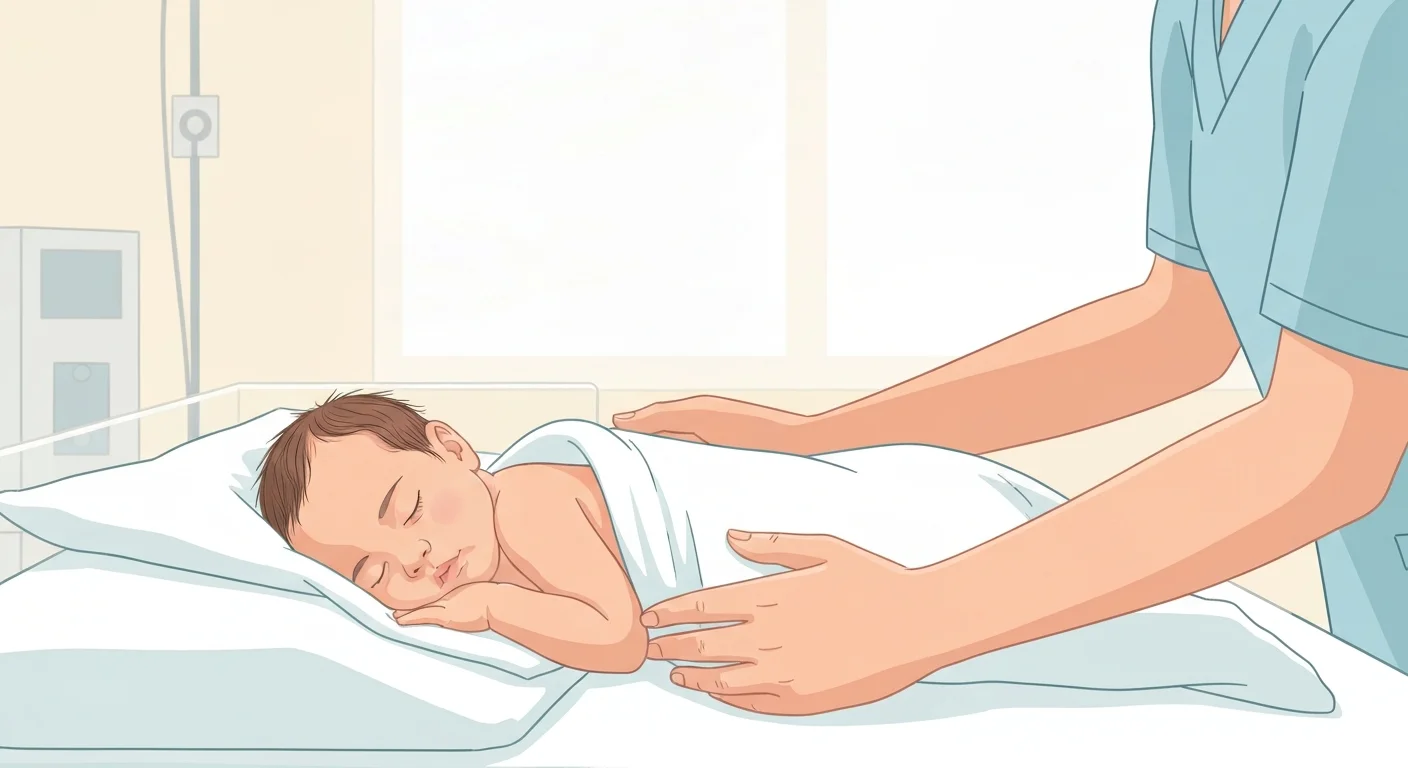
Newborn screening is a group of simple tests given to babies shortly after birth. It looks for a set of rare but serious health conditions that are hard to see at birth yet can be treated if caught early.
The goal is straightforward: find a problem before it causes harm. Many of these conditions have no visible signs in the first days of life, so a quick test at the hospital can make a lifelong difference.
FAQs
Q. What is newborn screening?
A. Newborn screening is a set of routine tests done in a baby’s first days of life. It checks for rare but treatable conditions — often before any symptoms appear — so treatment can start early and prevent serious health problems.
Q. How is newborn screening done?
A. Most screening uses a few drops of blood from a gentle heel prick, collected on a special card. Babies also get a hearing test and a pulse oximetry check for certain heart conditions. The whole process is quick and safe.
Q. Does a positive result mean my baby is sick?
A. No. A positive or “out-of-range” screen is not a diagnosis. It flags that your baby needs a confirmatory test. Many babies with a positive screen turn out to be healthy after follow-up testing.
Q. What conditions does it look for?
A. Screening panels vary by region but commonly include metabolic disorders, endocrine conditions, certain blood disorders, hearing loss, and critical heart defects. Many are genetic conditions that respond well to early treatment.
Q. When are results available?
A. Blood spot results usually return within one to two weeks. Hearing and heart checks are done before you leave the hospital. Your clinician contacts you if any result needs follow-up.
Why newborn screening matters
Some rare conditions quietly damage the brain, heart, or other organs during the first weeks of life. By the time symptoms show, the harm may already be done. Early detection changes that timeline.
Take phenylketonuria (PKU), a condition where the body cannot break down an amino acid called phenylalanine. Left untreated, it causes intellectual disability. Caught early, a simple dietary change lets a child develop normally. You can read about the biology in the OMIM entry for phenylketonuria.
That is the core promise of screening: turn a hidden, harmful condition into one that doctors can manage from day one.

How the test works
Newborn screening usually has three simple parts.
- Blood spot test: A nurse pricks your baby’s heel and collects a few drops of blood on a card. A lab checks it for dozens of conditions at once.
- Hearing screen: A soft earphone and sensor measure how your baby’s ears and nerves respond to sound.
- Heart screen (pulse oximetry): A painless sensor on the skin measures oxygen levels to detect certain critical heart defects.
None of these tests hurt for more than a moment, and they are done before most families leave the hospital. In the United States, the recommended list of conditions is guided by the CDC’s newborn screening program.
What the results mean
Screening is designed to be sensitive — it errs on the side of caution. That means some babies get an “out-of-range” result even though they are perfectly healthy.
A positive screen simply says: look closer. Your clinician will arrange a confirmatory test, which may include more detailed blood work or genetic analysis. Only that follow-up can confirm or rule out a condition.
From gene to symptom
Many screened conditions are genetic, meaning a change in a single gene affects how a protein works. For example, in galactosemia, changes in the GALT gene reduce an enzyme needed to process a sugar in milk. Without treatment, that sugar builds up and harms the liver and brain. Details are in the GeneReviews collection.
Understanding the gene-protein-symptom chain helps explain why early, targeted treatment — a special formula or diet — can work so well.
When genetic testing helps
Standard screening is a broad first pass. Sometimes results are borderline, a rare condition is suspected, or a baby shows symptoms that don’t fit a clear pattern. In those cases, deeper genetic testing can add clarity.
Techniques such as gene panels or whole exome sequencing read the actual DNA to find or confirm the specific change causing a condition. A confirmed genetic answer can guide treatment, inform the family about recurrence risk, and end a stressful diagnostic search. The framework for interpreting these variants comes from ACMG standards.
Where 3B-NEO fits in
Standard newborn screening catches many treatable conditions, but its panel is limited by design. It’s built to be fast and broad, not exhaustive. That’s where genomic newborn screening like 3B-NEO comes in.
3B-NEO screens for a much wider range of rare genetic conditions using whole exome sequencing — done with a blood sample taken right after birth. It’s ordered during pregnancy and processed as soon as your baby arrives, so results can come back while standard screening is still pending or shortly after.
For conditions that don’t show symptoms right away, or that fall outside a standard panel, this extra layer of screening can catch what would otherwise stay hidden until real harm is done. It doesn’t replace routine newborn screening — it adds a layer of certainty standard screening isn’t designed to provide.
If you want to give your baby’s health the fullest picture possible from day one, learn more about 3B-NEO and how to get started.
Full series
View all
- [Baby Care #1] How Accurate Is NIPT for Gender? What Parents Should Know About Fetal Sex Prediction
- [Baby Care #2] Common Baby Health Concerns: A Parent’s Guide
- [Baby Care #3] Newborn Screening: What Every New Parent Should Know

Seong Eun
Marketing Manager
I’m turning genomic insights into impact.