[Baby Care #12] Pelvic Girdle Pain in Pregnancy: Causes, Symptoms & Management
Pelvic girdle pain (PGP) is a common and often distressing condition experienced during pregnancy. It involves pain in the joints that make up the pelvic girdle, including the sacroiliac joints at the back and the symphysis pubis joint at the front. While often dismissed as a normal part of pregnancy, PGP can significantly impact a person’s mobility and quality of life.
The prevalence of PGP varies widely in studies, but European guidelines suggest a point prevalence of nearly 20% among pregnant women. Other systematic reviews report an average of about 45%, highlighting how frequently clinicians may encounter this condition. Fortunately, for most, the symptoms are manageable and resolve after delivery.
FAQs
Q. What does pelvic girdle pain feel like?
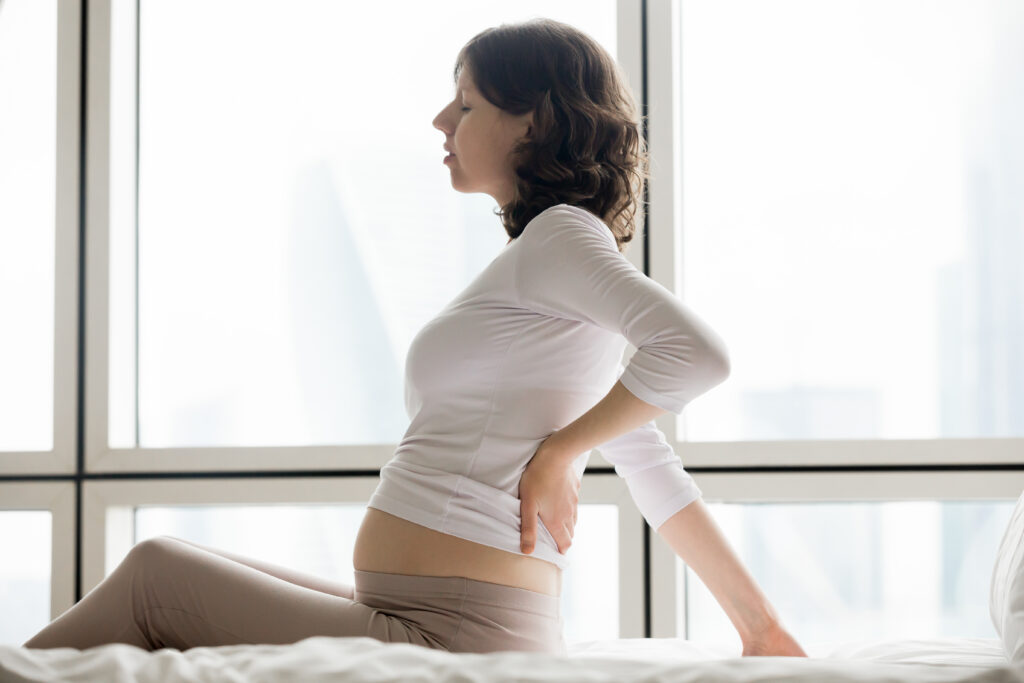
A. Pain can be sharp, stabbing, or a dull ache felt over the pubic bone, in the lower back on one or both sides, or in the perineum. It often worsens with walking, climbing stairs, standing on one leg, or turning over in bed.
Q. How common is pelvic girdle pain in pregnancy?
A. It is very common, though estimates vary. Strong evidence indicates it affects about 20% of pregnant women, while some studies report a prevalence of 45% or higher. It can begin at any stage of pregnancy.
Q. Does pelvic girdle pain go away after birth?
A. For most women, yes. PGP is largely a self-limiting condition, with symptoms resolving in 93% of patients within the first three months postpartum. A small percentage may experience persistent pain.
Q. What causes pelvic girdle pain during pregnancy?
A. PGP is caused by a combination of factors. Hormonal changes, including the release of relaxin, increase joint laxity. The growing uterus alters body mechanics and posture, placing additional stress on the pelvic joints and supporting ligaments.
Q. Can I prevent pelvic girdle pain?
A. While not always preventable, some factors may reduce risk. A scoping review found that pre-pregnancy exercise is associated with lower risk. Maintaining core strength and modifying activities to avoid pain triggers can help manage symptoms if they arise.
Symptoms and Diagnosis of Pelvic Girdle Pain
Pelvic girdle pain is distinct from the general lower back pain that many experience during pregnancy. PGP is localized to the pelvic joints and is often diagnosed based on a patient’s report of symptoms and physical examination. Clinicians use specific provocation tests, such as the posterior pelvic pain provocation (P4) test and Patrick’s FABER test, to reproduce the pain and confirm its origin in the pelvic girdle.
Symptoms can range from mild discomfort to severe pain that limits mobility. Some individuals may require crutches or a wheelchair to move around. The pain is often asymmetrical and can be described as a deep, aching, or shooting sensation that may radiate to the thighs.
Risk Factors for Pregnancy-Related PGP
Certain factors can increase a person’s likelihood of developing pelvic girdle pain. Understanding these can help clinicians identify at-risk patients for early intervention and counseling. A scoping review identified several key associations, including:
- A prior history of low back pain or pelvic girdle pain
- Previous trauma to the back or pelvis
- Being overweight or obese
- Having had previous children (multiparity)
- Physically demanding work or lifestyle
- Lower educational level and younger age
Pelvic Girdle Pain: Prognosis and Postpartum Recovery
The prognosis for most individuals with PGP is excellent. The condition is largely self-limiting, with the majority of women finding their symptoms disappear within months of giving birth. One study found that 62.5% of women experienced a resolution of pain within one month after delivery.
However, a minority of individuals experience persistent PGP. The incidence of clinically significant pain lasting from postpartum up to two years is estimated to be between 5% and 8.5%. For this group, the impact can be substantial, sometimes leading to long-term sick leave or disability. A 12-year follow-up study found that nearly 11% of women with persistent PGP had been granted a disability pension due to their symptoms.
Managing Pelvic Girdle Pain: Evidence-Based Strategies
Management of PGP focuses on relieving pain, improving function, and preventing long-term disability. While many approaches exist, exercise-based interventions have strong evidence supporting their use.
Specific Stabilizing Exercises
Physical therapy featuring specific stabilizing exercises for the lumbopelvic region is a key component of treatment. A randomized controlled trial demonstrated that such an exercise program reduced disability by over 50% compared to a control group. A two-year follow-up of the same cohort confirmed the long-term benefits, with significantly more participants in the exercise group reporting minimal disability and pain.
A recent systematic review and meta-analysis further supports this, finding with moderate certainty that exercise interventions significantly reduce pain and improve function in individuals with pregnancy-related PGP.
Other Management Approaches
In addition to targeted exercise, management may include:
- Education: Providing information on activity modification and body mechanics to avoid aggravating the pain.
- Manual Therapy: Techniques performed by a qualified physical therapist to improve joint mobility and reduce muscle tension.
- Support Belts: Pelvic support belts or braces can provide external support to the joints, which some individuals find helpful.
- Pain Relief: Analgesics considered safe during pregnancy may be used as needed, under clinical guidance.
Early identification and intervention are key to managing pelvic girdle pain effectively. A multidisciplinary approach involving clinicians, physical therapists, and patient education can help minimize the impact of PGP during pregnancy and reduce the risk of persistent postpartum symptoms.
* This article is educational and does not replace individualized medical advice. Diagnostic and management decisions should be made with a qualified clinician.
3B-NEO is designed to complement standard prenatal and newborn care, not replace it. Using a simple heel prick sample, it analyzes 704 genes linked to serious, actionable pediatric-onset conditions — including inborn errors of metabolism, immunologic disorders, and neuromuscular conditions.
Families can apply anytime from pregnancy through 90 days after birth, every test requires physician review, and results are typically ready within two weeks.
Full series
View all

Seong Eun
Marketing Manager
I’m turning genomic insights into impact.