




[Baby Care #6] Implantation Bleeding: Will a Test Be Positive?

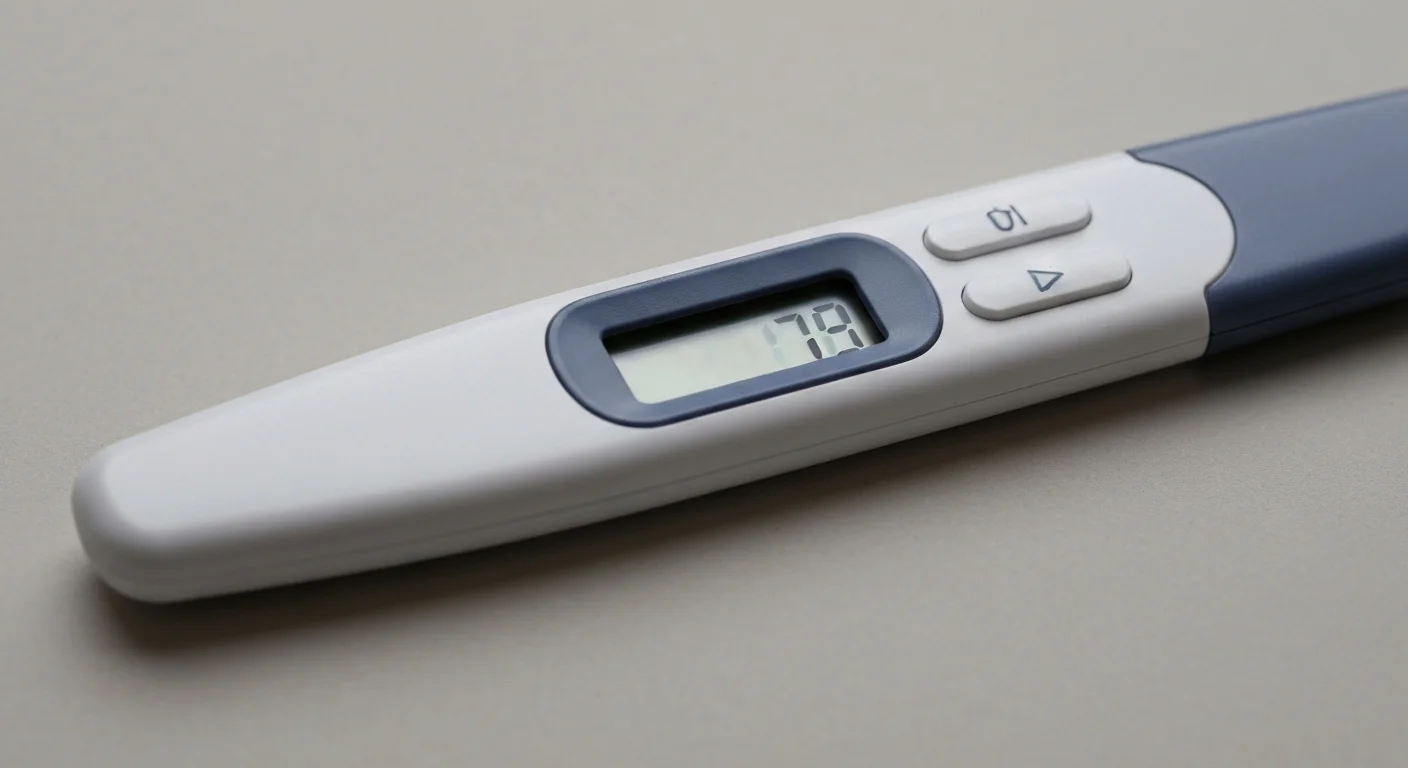
A pregnancy test is unlikely to be positive during implantation bleeding. This is because the bleeding can be a sign that the implantation process is happening, but the hormone that pregnancy tests detect—human chorionic gonadotropin (hCG)—has not yet reached a measurable level in your urine.
Successful implantation triggers the production of hCG, but it takes time for this hormone to build up in your system. Testing while you are still spotting, or immediately after, often happens too early for even the most sensitive tests to give a positive result.
FAQs
Q. How soon after implantation bleeding can I test?
A. It is best to wait at least 3-4 days after the bleeding stops. This allows time for the pregnancy hormone, hCG, to rise to a detectable level. For the highest accuracy, wait until the first day of your missed period.
Q. Can implantation bleeding be mistaken for a period?
A. Yes, this can happen. Implantation bleeding is typically much lighter than a normal period, often appearing as light spotting. It is usually pink or brown in color and lasts from a few hours to a couple of days.
Q. What does a negative test after implantation bleeding mean?
A. A negative result may mean you tested too early for the test to detect hCG. It could also mean the spotting was not due to implantation. If you still suspect you are pregnant, you should repeat the test in about a week.
Q.How long does it take for hCG to show up in urine?
A. hCG appears in the blood and urine shortly after implantation is complete. In early pregnancy, levels rise rapidly, often doubling every 48 to 72 hours. Most home urine tests can detect hCG around the time of your expected period.
Understanding Implantation and hCG Hormone
Implantation is the crucial process where a fertilized egg, now called a blastocyst, attaches to the wall of the uterus. This event typically occurs 6 to 12 days after ovulation. For some, this attachment process can cause light spotting known as implantation bleeding.
This is also the moment the body begins to produce human chorionic gonadotropin (hCG). This hormone is produced by cells in the developing placenta, called trophoblasts, and is the specific marker that all pregnancy tests are designed to detect. According to a study in BMC Pregnancy and Childbirth, hCG can be detected in the blood as early as 6–7 days after fertilization, which coincides with the implantation window.

The Timeline: From Implantation to a Positive Test
The time between implantation bleeding and a positive pregnancy test is a common source of anxiety. The key is understanding the biological sequence of events. While bleeding may signal that implantation is underway, hCG production only ramps up after the embryo is securely attached.
The hormone begins to rise rapidly shortly after implantation, which happens about 8 days after ovulation on average. Researchers often use the first detection of serum hCG to mark the day of implantation. From that point, hCG levels build, becoming detectable in urine a few days later. This is why patience after spotting is so important for an accurate test result.
Why a Pregnancy Test Can Be Negative During Implantation Bleeding
A negative test result during implantation bleeding is usually a matter of timing and test sensitivity. Home pregnancy tests are qualitative, meaning they provide a yes or no answer, but they require a minimum amount of hCG to trigger a positive result.
For a pregnancy to be clinically recognized via a blood test, a serum hCG level of at least 5 IU/L is typically required. Home urine tests have different sensitivity thresholds, but most are not sensitive enough to detect the very low levels of hCG present during the earliest stages of implantation. A sensitive test may detect pregnancy 7-10 days after conception, which is often right around the time of an expected period—usually days after any implantation spotting would have stopped.
Next Steps After Implantation Bleeding
If you’ve experienced what you believe to be implantation bleeding, the best course of action is to wait. Testing on the day of your expected period will yield a more reliable result. If the test is negative but your period doesn’t start, wait a few more days and test again.
According to MedlinePlus, if a pregnancy test is negative but pregnancy is still suspected, the test should be repeated in one week. It’s also important to recognize that factors like late implantation can impact outcomes. Some research indicates that a prolonged interval between ovulation and implantation has been associated with early pregnancy loss, a situation where hCG levels rise initially and then decline. Persistent spotting or unusual symptoms should always be discussed with a healthcare provider.
Understanding the nuances of early pregnancy can be complex, especially when facing challenges with conception or recurrent pregnancy loss. Genetic factors can play a role in these journeys, and exploring them with a specialist may provide clarity.
Once a pregnancy is confirmed, many parents start thinking ahead — not just about the weeks to come, but about their baby’s long-term health. That’s where 3B-NEO fits in. Ordered during pregnancy and run on a blood sample taken shortly after birth, 3B-NEO uses whole exome sequencing to screen for a broad range of rare genetic conditions that standard newborn screening doesn’t cover. It’s one way to move from waiting and wondering to having a clear picture of your baby’s health from day one.
Full series
View all

Seong Eun
Marketing Manager
I’m turning genomic insights into impact.