


[On the Road to Meet] “Expanding the Market to Speed Up Diagnosis” — Changdeok Ji, Rare Disease Business Architect (Part 1)

Sookjin Lee
Chief Business Officer (CBO) | Ph.D.
A business expert leading innovation in precision medicine and genomics for 20 years. Accelerating the commercialization of innovative technologies with academic expertise and market insight.
Key Highlights
- A Shift in Paradigm: Moving beyond selling products to building “Rare Disease Architecture”—designing the entire patient journey from diagnosis to treatment.
- Expanding the Market Through Collaboration: A tripartite alliance [Pharma – AI Diagnostics – Distributor] aimed at growing the overall market rather than fighting over existing market share.
- The Impact of Early Diagnosis: How AI-driven screening opened treatment doors for a patient waiting over 15 years for a conclusive genetic variant.
Healthcare professionals stand on the front lines of changing rare disease patients’ lives. Yet, bridging the gap between identifying a rare condition and delivering treatment is a journey too complex for physicians to navigate alone. True transformation happens when the vision of clinicians aligns with the innovation of diagnostic providers and the resources of pharmaceutical companies.
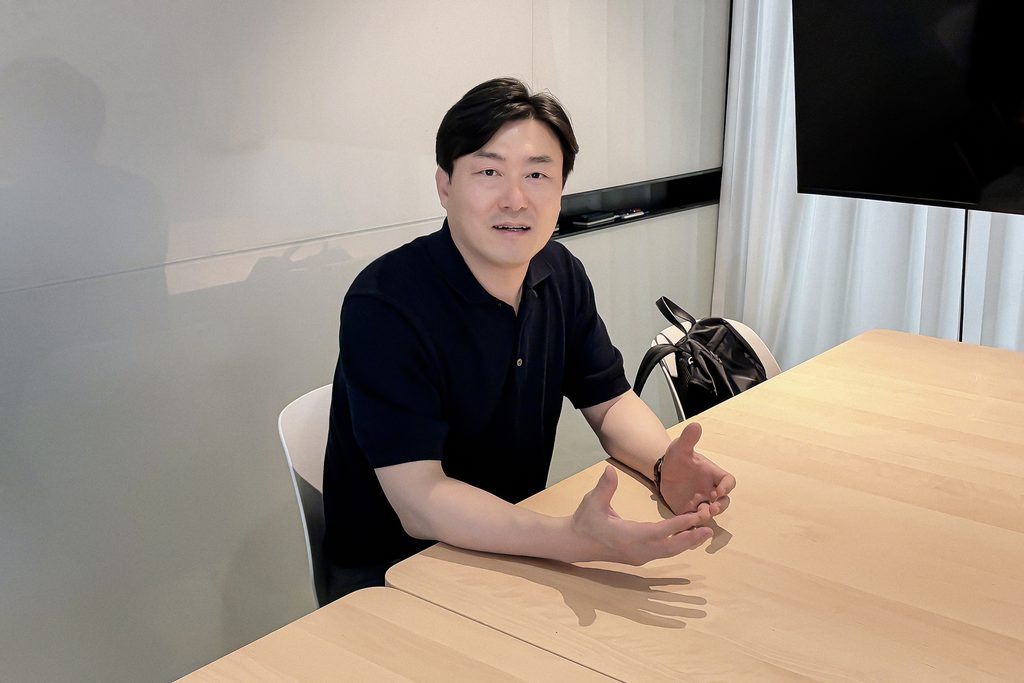
Today, we meet Changdeok Ji, who shares his perspective from the pharmaceutical industry on expanding the landscape of rare disease diagnosis and care. Here is the story of how clinicians, pharma, and diagnostic companies came together as one team to give time back to patients.
PART 1. Beginnings and Purpose
Q. Fifteen years ago, you were at the peak of your career, scaling blockbuster drugs in primary care. Why did you leave that stable path for the uncharted territory of rare diseases?
Changdeok: Despite my achievements and strategic experience, I felt a persistent inner void.
“Who am I really doing this for, and what social impact does it truly carry?”
I kept asking myself. That was when I encountered the rare disease space. It required a fundamentally different approach, offering a tangible chance to transform patients’ lives. Choosing purpose over comfort transformed my career. Experiencing firsthand how this work can mark a life-changing milestone for someone turned that sense of mission into an unshakeable foundation.
Q. How does working in rare disease treatments differ from traditional pharmaceutical sales? How do you define your role?
Changdeok: It goes far beyond product positioning and sales. It’s closer to building a non-existent ecosystem from scratch—architecting the entire patient journey from regulatory approval, reimbursement, and diagnosis to treatment and care alongside clinicians and key stakeholders.
That is why I define my work as “Rare Disease Architecture.”
It is not about staying within the boundaries of what is readily achievable (Able), but pushing forward to make the previously impossible achievable (Enable).
Sookjin: I completely resonate with that. How we position and define our work matters far more than external titles. Defining our own purpose is where true momentum comes from. In a sense, we are all sales professionals building our own value.
PART 2. LSD Genetic Screening — Collaboration That Shifts the Paradigm
Q. How did your connection with 3billion first begin?
Changdeok: In 2016, I happened to attend a presentation by CEO Sunghwan Keum on 3billion’s business concept. I was so inspired that I introduced myself right after. However, turning that vision into a commercial reality took three full years of maturation.
It required countless discussions to shift perspectives on genetic testing, lower cost barriers, and build operational consensus. Paradoxically, the outbreak of COVID-19 in 2020 served as a catalyst to launch a tripartite model linking Pharma, AI Diagnostics (3billion), and Diagnostic Distributors. This successful precedent led to more diagnoses and ultimately transformed clinical practice in the field.
Sookjin: Hearing 3billion’s vision back in 2016 means you witnessed our very beginning! At the time, mentioning “AI” in medical settings often drew skepticism. Today, AI has become essential. You truly had a visionary perspective.
Q. At the time, the dominant consensus in Korea was “symptoms first, genetic testing for confirmation.” What inspired your novel approach to “genome-based LSD screening”?
Changdeok: Taking Fabry disease as an example, we were late entrants in a market dominated by an established Standard of Care (SoC) with over 15 years of heritage, alongside biosimilars and oral therapies. We were playing on an unlevel playing field.
The breakthrough came when we decided to “get back to basics.” Instead of fighting over a fixed pie, we shifted our focus to diagnosis—an untapped area with unmet needs.
Our motto became: “Don’t split the pie; expand it.” Focusing on identifying undiagnosed patients aligned market needs with scientific necessity.
Sookjin: “Don’t split the pie; expand it”—I couldn’t agree more. Healthy competition creates a dynamic environment for everyone. In rare diseases especially, building awareness together is key to expanding the entire ecosystem.
Q. Introducing a novel approach usually brings resistance. How did you persuade key decision-makers?
Changdeok: Cost allocation and accountability were constant hurdles. Gaining trust for an AI-driven approach that even industry leaders hadn’t tried was naturally challenging for any organization.
In countless meetings, I kept returning to one core message: “Let’s reconnect with the true value of our work.” Alongside this, I presented clear financial metrics and strategic rationale while stepping up to take personal accountability for internal risks. Crucially, our General Manager at the time, Heeseok Moon, deeply understood the strategic value of screening and provided unwavering support.
Sookjin: Having leadership support new initiatives is the ultimate motivator. Having stepped into leadership roles ourselves now, we understand the importance of passing that trust forward.
Q. What was the most challenging aspect of execution?
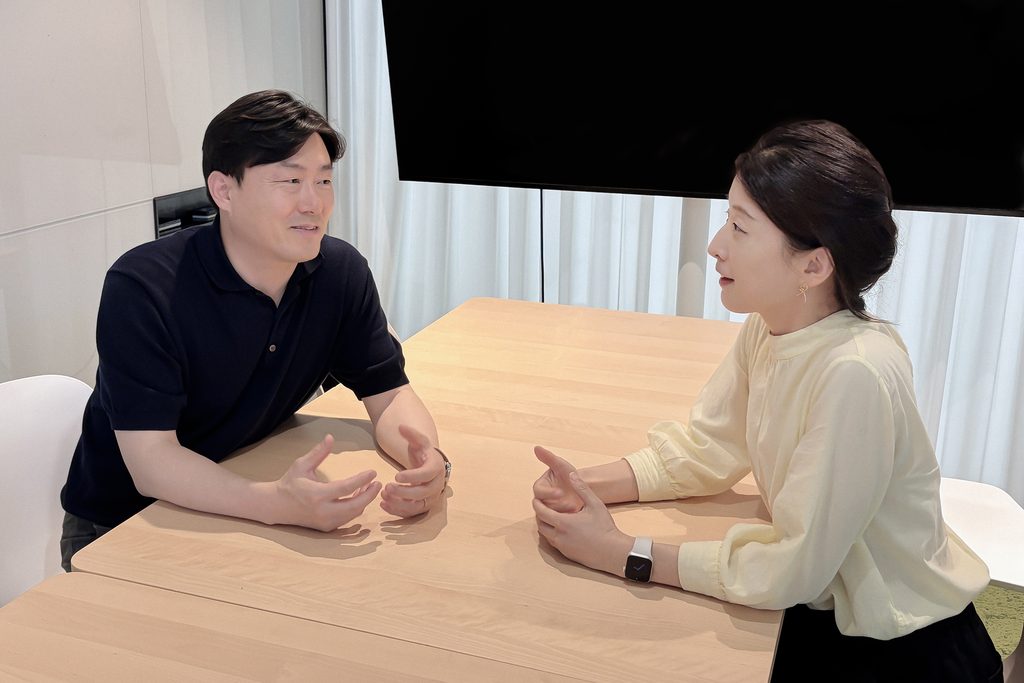
Changdeok: Three main challenges stand out:
- Designing a win-win structure: Aligning three distinct pillars—Pharma (patient identification), the startup (building service credibility through test volume), and the distributor (gaining new customers with AI solutions)—around one North Star: diagnosing more patients.
- Continuous internal persuasion: A step-by-step effort to align internal stakeholders.
- Regulatory and legal compliance: Navigating industry standards involved trial and error, but it ultimately built the foundation for a sustainable business model.
Sookjin: Exactly. Aligning different corporate interests is rarely easy, and we certainly had our share of tense moments (laughs). I still vividly remember the intense debates we had in those meeting rooms.
Q. At what point did you feel the initiative had stabilized?
Changdeok: About 9 months in, as the business lead time matured. Our hypothesis proved true: more patients were diagnosed faster and connected directly to treatment. From that point, both operations and outcomes gained momentum.
Q. Is there a specific patient case from the screening program that stands out to you?
Changdeok: There was a patient who clearly had the disease and desperately needed treatment, but couldn’t access care because standard tests failed to identify the specific genetic variant required by reimbursement regulations. Through AI-driven testing, we identified a ‘Likely Pathogenic’ variant, unlocking treatment for someone who had waited over 15 years at the door of care.
Sookjin: That is precisely where our sense of purpose lies—finding hidden clues, sharing them in global databases, and building evidence in a virtuous cycle. Persistence in tracking these cases changes not just a single patient’s life, but their entire family’s future.
Q. What does accelerating diagnosis by 6 to 12 months mean in real-world clinical practice?
Changdeok: Early diagnosis reduces complications and extends patient survival. Beyond individual outcomes, it modernizes routine clinical practice and infrastructure. Most importantly, the success of this collaboration proved that pharma and diagnostic companies can work together, opening doors for faster diagnosis across other rare disease areas as well.