


What Is Neurofibromatosis? Types, Symptoms, and Genetic Causes
Neurofibromatosis refers to a set of genetically distinct tumor-predisposition syndromes that share a tendency toward nerve sheath and central nervous system tumors. The three principal entities are neurofibromatosis type 1 (NF1), neurofibromatosis type 2 (now often termed NF2-related schwannomatosis), and schwannomatosis. Each follows autosomal dominant inheritance and results from loss of function in a tumor-suppressor gene.
Frequently asked questions
Does neurofibromatosis increase cancer risk?
Yes. People with NF1 face elevated risks of connective tissue tumors, brain tumors, and malignant transformation of plexiform neurofibromas. Overall survival is reduced compared with the general population.
Can genetic testing diagnose neurofibromatosis?
Genetic testing identifies pathogenic variants in the causative gene and confirms clinically ambiguous cases, particularly in young children who have not yet met clinical criteria. Interpretation should involve a clinician or genetic counselor.
Genetic basis and mechanism
NF1 is caused by loss-of-function variants in the NF1 gene (chromosome 17q11.2), which makes a protein called neurofibromin. Neurofibromin normally acts as a brake on RAS signaling, switching active RAS off. Without it, RAS-driven pathways (MAPK and mTOR) stay switched on and drive cells to keep dividing.
RAS signaling is a pathway that tells cells to grow and divide, with the RAS protein acting as an on/off switch. Neurofibromin is the brake that switches it off, so when neurofibromin is lost, the signal stays on and drives cells to keep dividing.
This is why NF1 behaves as a classic tumor-suppressor gene under the “two-hit” model: a person inherits one non-working copy in every cell, and a neurofibroma forms when a Schwann-cell precursor loses the second copy as well. This same RAS-MAPK pathway is what MEK inhibitors target, which is the rationale for using them in treatment.
What is the “two-hit” model?
Each cell carries two copies of a gene, so a tumor-suppressor gene keeps working as a brake even if one copy is damaged. A tumor develops only when both copies are lost — the “two hits.” In NF1, every cell already carries the first hit from birth, so a tumor can start growing once a single cell picks up the second hit.
NF2-related schwannomatosis is caused by variants in NF2 (which makes merlin) and predisposes to bilateral vestibular schwannomas, meningiomas, and ependymomas. Schwannomatosis without NF2 involvement is linked to SMARCB1 or LZTR1. Despite being grouped together in the past, these are genetically distinct conditions.
Epidemiology and penetrance
NF1 is among the most common autosomal dominant disorders. The classic estimate places prevalence near 1 in 3,000 with full penetrance in adults, and roughly half of all cases result from new mutations. A more recent 2023 systematic review reported a pooled prevalence of 1 in 3,164 and birth incidence of 1 in 2,662.
Population-based data refine these figures. A Finnish total-population study identified 1,279 living NF1 patients, yielding a point prevalence of 1/4,088 and, after accounting for incidence and survival, an estimated 1/2,052 for ages 0–74. Pediatric surveillance studies show wider variation, with prevalence ranging from 1 per 960 to 1 per 5,681 depending on ascertainment.
Penetrance is essentially complete by adulthood, but expressivity is highly variable—even within families carrying the same variant.
Clinical features and complications
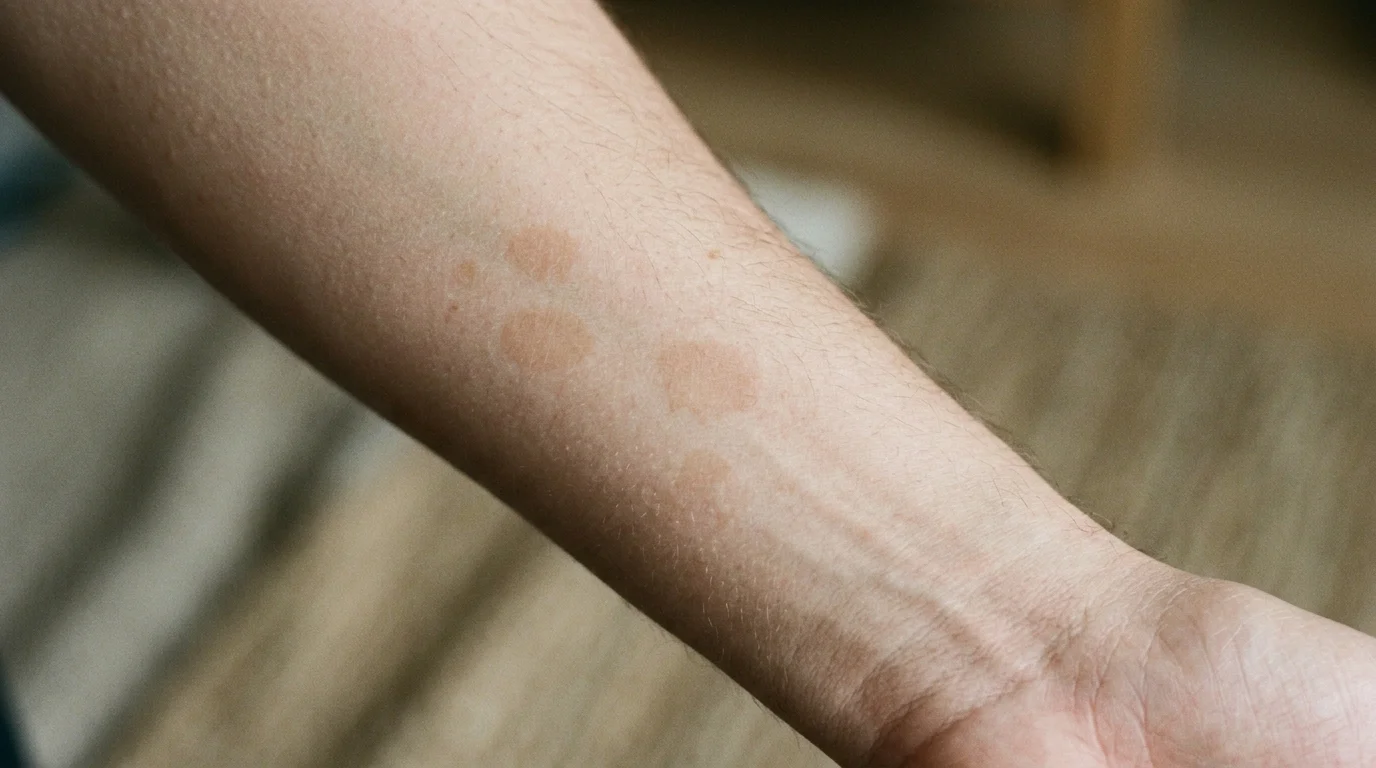
NF1 diagnosis rests on well-established clinical criteria: café-au-lait macules, cutaneous neurofibromas, axillary or inguinal freckling, Lisch nodules, optic pathway glioma, characteristic osseous lesions, and a first-degree relative with NF1. Two or more features support the diagnosis, though young children may not yet meet the threshold.
The dominant source of morbidity is tumor burden. Up to 50% of people with NF1 develop plexiform neurofibromas, which can arise anywhere, cause pain and disfigurement, and carry a risk of malignant transformation into malignant peripheral nerve sheath tumors.
Cancer risk extends beyond the nerve sheath. A prospective UK cohort found the most frequent malignancies were connective tissue tumors (14% risk by age 70) and brain tumors (7.9%). Neurological complications are also common, with a reported lifetime epilepsy risk between 4% and 14%.
These cumulative burdens translate into measurable mortality. The same Finnish cohort demonstrated that survival is inferior to the general population, with a hazard ratio of 3.10. Structured surveillance aims to detect complications early and mitigate this gap.
When to pursue molecular testing
Clinical criteria remain the diagnostic foundation, but genetic testing resolves several scenarios where phenotype alone is insufficient.
- Young children with café-au-lait macules but no other features, where confirmation guides early surveillance.
- De novo presentations without family history, where mosaicism or atypical features cloud the picture.
- Overlapping phenotypes, such as distinguishing NF1 from Legius syndrome (caused by SPRED1), which shares pigmentary features but lacks tumor risk.
- Reproductive planning, where identifying the familial variant enables prenatal or preimplantation testing and cascade screening of relatives.
Comprehensive analysis of NF1 ideally combines sequencing with copy-number and, where indicated, RNA-based methods, because a meaningful fraction of pathogenic variants affect splicing or involve whole-gene deletions.
* This article is educational and does not replace individualized medical advice. Diagnostic and management decisions should be made with a qualified clinician.
Want to learn more about
3billion's genetic testing?
We'll reply within 1 business day.
References
- Friedman JM, Epidemiology of neurofibromatosis type 1, 1999, https://pubmed.ncbi.nlm.nih.gov/10469430/
- Walker L, et al., A prospective study of neurofibromatosis type 1 cancer incidence in the UK, 2006, DOI: 10.1038/sj.bjc.6603227, https://www.ncbi.nlm.nih.gov/pmc/articles/PMC2360616/
- Kallionpää RA, et al., Prevalence of neurofibromatosis type 1 in the Finnish population, 2018, DOI: 10.1038/gim.2017.215, https://www.nature.com/articles/gim2017215
- Iheanacho I, et al., Epidemiological and clinical burden associated with plexiform neurofibromas in pediatric neurofibromatosis type-1 (NF-1): a systematic literature review, 2021, DOI: 10.1007/s10072-021-05361-5, https://www.ncbi.nlm.nih.gov/pmc/articles/PMC8789731/
- Sorrentino U, et al., Epilepsy in NF1: epidemiologic, genetic, and clinical features. A monocentric retrospective study in a cohort of 784 patients, 2021, DOI: 10.3390/cancers13246336, https://www.ncbi.nlm.nih.gov/pmc/articles/PMC8699608/
- Lee TJ, et al., Incidence and prevalence of neurofibromatosis type 1 and 2: a systematic review and meta-analysis, 2023, DOI: 10.1186/s13023-023-02911-2, https://pmc.ncbi.nlm.nih.gov/articles/PMC10500831/
- Mrugala M, et al., Disease burden and unmet needs in adults with neurofibromatosis type 1 and plexiform neurofibromas: a systematic literature review, 2026, DOI: 10.1093/noajnl/vdaf269, https://pmc.ncbi.nlm.nih.gov/articles/PMC12962803/

Soo-jung Baek
Marketing Manager
I strive to empower the rare disease community by sharing meaningful insights backed by our company’s expertise.