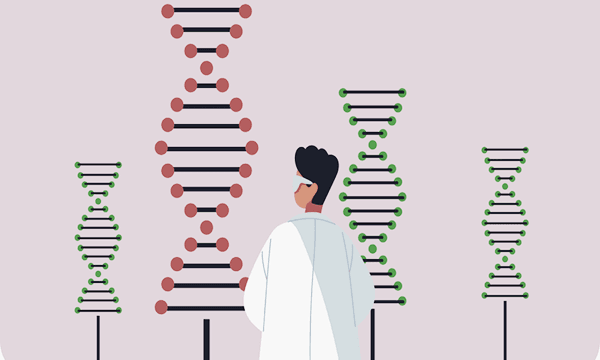



The ADAMTS10 Gene and Weill-Marchesani Syndrome
The ADAMTS10 gene provides the instructions for creating a protein that helps build and maintain the body’s connective tissues. When this gene has certain mutations, it can lead to a rare genetic condition known as Weill-Marchesani syndrome (WMS). This disorder is characterized by a distinct set of physical features affecting the skeleton, joints, and, most notably, the eyes.
Frequently asked questions
What is the function of the ADAMTS10 gene?
The ADAMTS10 gene produces a protein that is part of the extracellular matrix, the complex network that provides structural support to cells and tissues. This protein is crucial for the proper formation and function of connective tissues throughout the body, including those in the eyes and skeleton.
What are the main symptoms of Weill-Marchesani syndrome?
The primary symptoms include short stature, short fingers and toes (brachydactyly), joint stiffness, and muscle prominence. Characteristic eye problems include small, spherical lenses (microspherophakia), severe nearsightedness, and a high risk of developing glaucoma, which can damage vision.
Understanding Weill-Marchesani Syndrome (WMS)
Weill-Marchesani syndrome is a condition that affects the body’s connective tissue, the material that provides strength and flexibility to structures like bones, skin, and eyes. The condition is considered rare, with an estimated prevalence of about 1 in 100,000 people. The signs of WMS are often present from a young age and can become more apparent over time.
The syndrome’s features can be grouped into several categories:
- Skeletal: Individuals with WMS typically have short stature, brachydactyly (unusually short fingers and toes), and stiff joints that may limit movement.
- Muscular: Many have well-developed muscles, giving them a muscular or stocky appearance.
- Ocular: Eye problems are a hallmark of the condition and are often the most significant health concern.
The Genetic Basis: How ADAMTS10 Causes WMS
Our genes contain the blueprints for building all the proteins our body needs. The ADAMTS10 gene holds the instructions for a specific enzyme, a type of metalloproteinase, that works within the extracellular matrix. This matrix is the intricate scaffolding that holds our cells together and gives tissues their shape and strength.
The ADAMTS10 protein plays a key role in organizing components of this matrix, including fibrillin-rich microfibrils, which are essential for elastic tissues. As described in the StatPearls chapter on microspherophakia, disruptions in these microfibrils affect the integrity of connective tissues. Researchers first identified null mutations in ADAMTS10 as the cause of autosomal recessive WMS in 2004.
An Autosomal Recessive Condition
WMS caused by ADAMTS10 mutations follows an autosomal recessive inheritance pattern. This means that an individual must inherit two mutated copies of the gene—one from each parent—to develop the condition. People with only one mutated copy are called carriers; they typically do not show any symptoms but can pass the mutation on to their children.
Key Symptoms and Clinical Signs
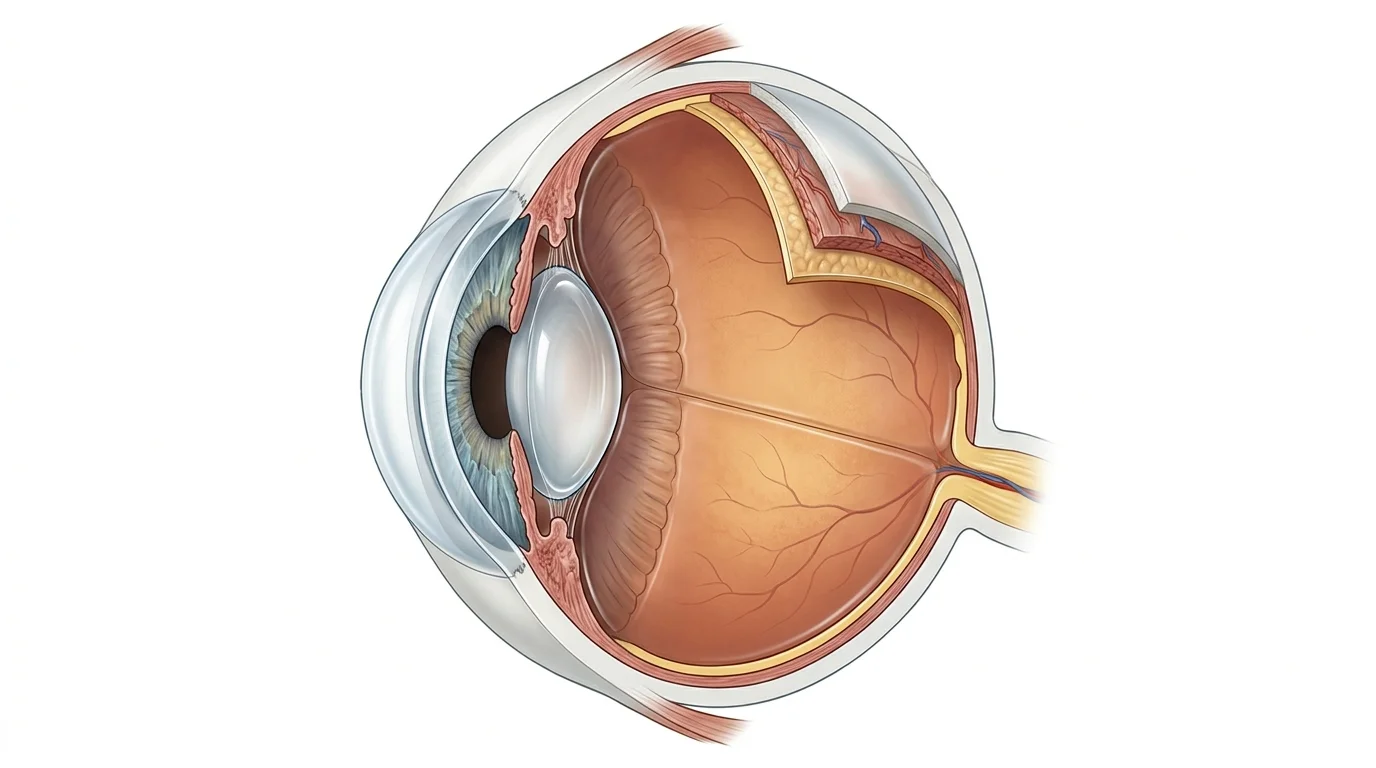
While WMS affects multiple body systems, the ocular (eye) manifestations are central to its diagnosis and management. The most characteristic feature is microspherophakia, a term for an abnormally small and spherical lens in the eye. This lens shape causes progressive nearsightedness (myopia) from an early age.
The abnormal lens is also prone to dislocation, a condition called ectopia lentis. A more serious complication is glaucoma, a condition where pressure inside the eye increases. If left untreated, glaucoma can damage the optic nerve and lead to permanent vision loss.
The Diagnostic Journey and Related Genes
A diagnosis of Weill-Marchesani syndrome is typically suspected based on a physical examination that identifies the characteristic combination of short stature, joint stiffness, and eye problems. An ophthalmologist can confirm the presence of microspherophakia or other related eye issues.
However, a definitive diagnosis relies on genetic testing. Sequencing the ADAMTS10 gene can confirm if biallelic (both copies) mutations are the cause. It’s important because other genes can cause WMS or similar syndromes. For instance, a heterozygous (single copy) mutation in the FBN1 gene can cause an autosomal dominant form of WMS, which has a different inheritance pattern. Additionally, mutations in the closely related ADAMTS17 gene have been found in individuals with WMS-like features, highlighting the importance of a comprehensive genetic analysis.
* This article is educational and does not replace individualized medical advice. Diagnostic and management decisions should be made with a qualified clinician.
Want to learn more about
3billion's genetic testing?
We'll reply within 1 business day.
References
- Dagoneau N, et al., ADAMTS10 mutations in autosomal recessive Weill-Marchesani syndrome, 2004, DOI: 10.1086/425231, https://pmc.ncbi.nlm.nih.gov/articles/PMC1182109/
- GeneReviews (NCBI Bookshelf), ADAMTSL4-Related Eye Disorders, 2020, https://www.ncbi.nlm.nih.gov/books/NBK84111/
- Genomics England PanelApp, ADAMTS10 gene entry, 2026, https://panelapp.genomicsengland.co.uk/panels/230/gene/ADAMTS10/
- MedlinePlus Genetics (NLM), Weill-Marchesani syndrome, 2015, https://medlineplus.gov/genetics/condition/weill-marchesani-syndrome/
- Morales J, et al., Homozygous mutations in ADAMTS10 and ADAMTS17 cause lenticular myopia, ectopia lentis, glaucoma, spherophakia, and short stature, 2009, DOI: 10.1016/j.ajhg.2009.09.011, https://pubmed.ncbi.nlm.nih.gov/19836009/
- StatPearls (NCBI Bookshelf), Microspherophakia, 2026, https://www.ncbi.nlm.nih.gov/books/NBK576395/

Soo-jung Baek
Marketing Manager
I strive to empower the rare disease community by sharing meaningful insights backed by our company’s expertise.