



From 2 to 7,000 per Million: Why Dystonia Estimates Vary So Widely
Dystonia is a neurological movement disorder. It is defined by sustained or intermittent muscle contractions that result in abnormal, often repetitive, movements, postures, or both. The clinical presentation is highly variable, making accurate diagnosis and epidemiological assessment challenging for clinicians.
Frequently asked questions
What is the prevalence of dystonia?
Prevalence rates for dystonia differ significantly by type. Estimates range from 2 to 50 cases per million for early-onset forms and from 30 to 7,320 cases per million for late-onset forms. Some service-based studies report an overall prevalence of around 600 per million.
What is the most common type of dystonia?
Focal dystonias are the most common form. Among these, cervical dystonia (torticollis), which affects the neck muscles, is frequently reported as the most prevalent type, followed by blepharospasm (eyelid) and writer’s cramp.
Is dystonia a genetic disorder?
Some forms of dystonia have a clear genetic cause. Monogenic dystonias, like early-onset DYT-TOR1A, are caused by pathogenic variants in a single gene. However, many cases are considered idiopathic, where the cause, potentially including complex genetic and environmental factors, is unknown.
What is the typical age of diagnosis for dystonia?
The age at diagnosis depends on the type. Early-onset forms typically manifest in childhood or adolescence. For adult-onset idiopathic dystonia, one large study found the median age at diagnosis to be 41 years, though it can occur at any point in adulthood.
Understanding Dystonia: A Clinical Overview
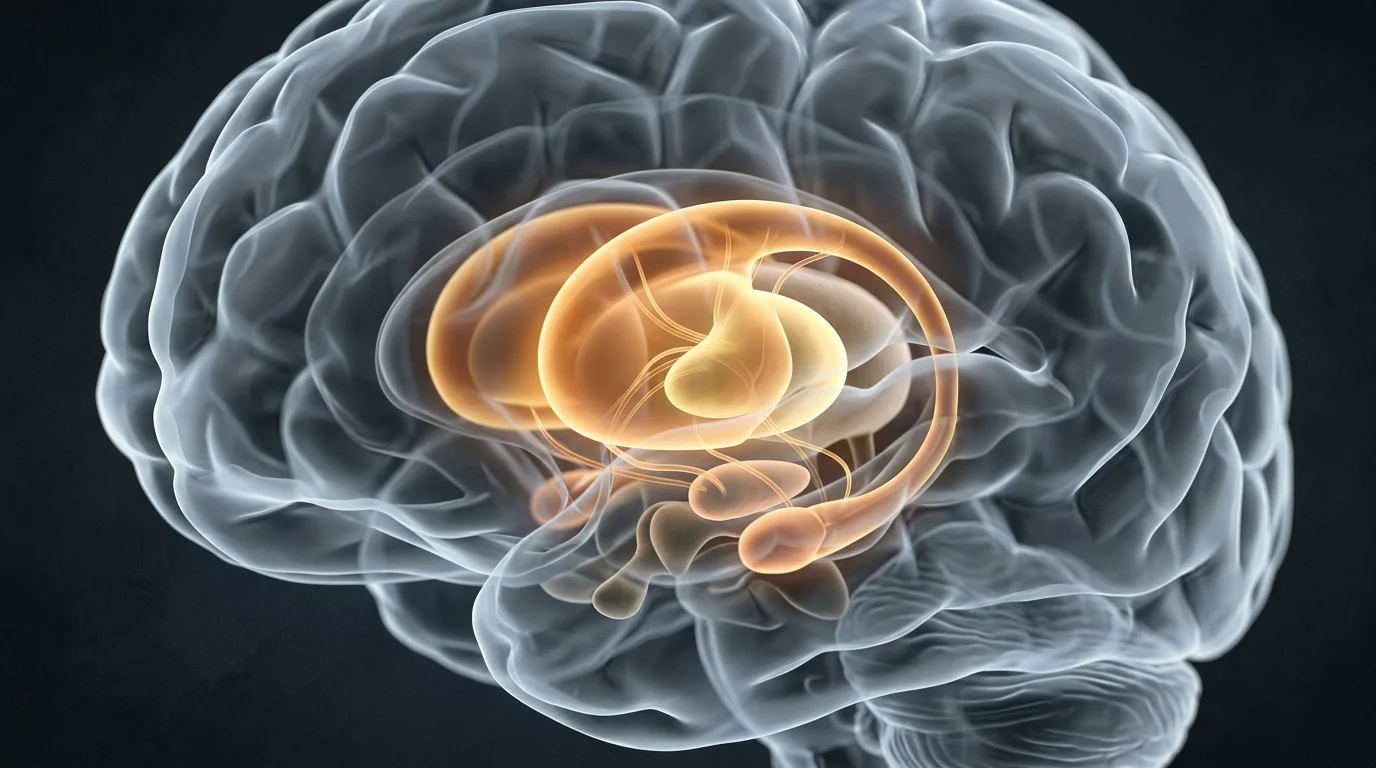
The core pathophysiology of dystonia involves dysfunction within the neural circuits that control movement, particularly in the basal ganglia. This leads to a loss of inhibition, resulting in the co-contraction of agonist and antagonist muscles. The movements are often patterned, twisting, and may be tremulous. Dystonia is not a single disease but a syndrome with diverse causes and presentations.
Classification Systems in Dystonia
A clear classification is essential for diagnosis and management. Dystonia is categorized along two primary axes: clinical characteristics and etiology.
- Clinical Characteristics: This includes the age at onset (e.g., childhood, adolescent, adult), body distribution (focal, segmental, multifocal, generalized), and temporal pattern. A landmark study from Rochester, Minnesota, analyzing data from 1950-1982, found a crude prevalence of 34 per million for generalized dystonia and 295 per million for all focal dystonias combined.
- Etiology: This axis distinguishes between nervous system pathology (structural lesions, neurodegeneration) and inheritance patterns. Cases are often classified as primary (or idiopathic), where dystonia is the sole motor feature without evidence of another cause, or secondary, resulting from trauma, stroke, or other neurological conditions.
The Epidemiology of Dystonia: What the Data Shows
Establishing precise epidemiological figures for dystonia has proven difficult. Diagnostic challenges and variations in study design contribute to a wide range of reported numbers. For instance, a nationwide Swedish study noted that upon review at a specialized center, over 20% of patients initially diagnosed with primary dystonia may have had a different final diagnosis.
Despite these challenges, research provides valuable insights:
- Varying Prevalence: A 2004 review documented just how widely estimates vary, reporting prevalence from two to 7,320 cases per million depending on the specific dystonia subtype and age of onset.
- Regional Differences: A German study based in Hannover reported a point prevalence for all forms of dystonia at 601.1 per million, with cervical dystonia being the most common at 251.1 per million. The authors noted their findings suggested a 3.3-fold higher frequency of primary dystonia than previous meta-analyses.
- Increasing Incidence: A Welsh national data-linkage study found that the annual incidence of adult-onset idiopathic dystonia rose significantly between 1994 and 2017, with an average annual incidence of 87.7 per 100,000 per year. The study’s case-ascertainment algorithm identified 54,966 cases in total, of which 41,660 had adult-onset idiopathic dystonia, with a median age at diagnosis of 41 years.
- Focal Dystonia Incidence: For specific forms like cervical dystonia, a systematic review calculated a corrected incidence of 1.07 per 100,000 person-years.
The Role of Genetic Testing in Dystonia
Genetic discovery has transformed the understanding of primary dystonias. For patients with early-onset, generalized, or familial dystonia, genetic testing can provide a definitive diagnosis, end the diagnostic odyssey, and inform genetic counseling for family members.
The most well-known form is DYT-TOR1A, an early-onset dystonia caused by a variant in the TOR1A gene. While penetrance is incomplete (meaning not all carriers develop symptoms), its genetic basis is clear. A 2019 analysis of large genomic datasets estimated that the prevalence of the most common pathogenic TOR1A variant is approximately 17.6 to 26.1 carriers per 100,000 individuals.
The wide range of prevalence estimates for dystonia tells us just how complex the condition is, both clinically and in its causes. The numbers vary, but one thing is consistent: dystonia is not as rare as once thought, particularly the adult-onset focal forms.
* This article is educational and does not replace individualized medical advice. Diagnostic and management decisions should be made with a qualified clinician.
Want to learn more about
3billion's genetic testing?
We'll reply within 1 business day.
References
- Nutt JG, et al., Epidemiology of focal and generalized dystonia in Rochester, Minnesota, 1988, DOI: 10.1002/mds.870030302, https://pubmed.ncbi.nlm.nih.gov/3264051/
- Defazio G, et al., Epidemiology of primary dystonia, 2004, DOI: 10.1016/S1474-4422(04)00907-X, https://pubmed.ncbi.nlm.nih.gov/15488460/
- Steeves TD, et al., The prevalence of primary dystonia: a systematic review and meta-analysis, 2012, DOI: 10.1002/mds.25244, https://pubmed.ncbi.nlm.nih.gov/23114997/
- Park J, et al., Epidemiology of DYT1 dystonia: estimating prevalence via genetic ascertainment, 2019, DOI: 10.1212/NXG.0000000000000358, https://pubmed.ncbi.nlm.nih.gov/31583275/
- Hellberg C, et al., Nationwide prevalence of primary dystonia, progressive ataxia and hereditary spastic paraplegia, 2019, DOI: 10.1016/j.parkreldis.2019.10.028, https://pubmed.ncbi.nlm.nih.gov/31706130/
- Dressler D, et al., The epidemiology of dystonia: the Hannover epidemiology study, 2022, DOI: 10.1007/s00415-022-11310-9, https://pmc.ncbi.nlm.nih.gov/articles/PMC9618521/
- Bailey GA, et al., Adult-onset idiopathic dystonia: a national data-linkage study to determine epidemiological, social deprivation, and mortality characteristics, 2021, DOI: 10.1111/ene.15114, https://pubmed.ncbi.nlm.nih.gov/34543508/

Soo-jung Baek
Marketing Manager
I strive to empower the rare disease community by sharing meaningful insights backed by our company’s expertise.