


Congenital Myasthenic Syndromes: 40 Genes, One Diagnosis
Congenital myasthenic syndromes (CMS) are a clinically and genetically heterogeneous group of rare inherited conditions characterized by fatigable muscle weakness. Unlike the autoimmune condition myasthenia gravis, CMS arises from genetic variants that disrupt the structure or function of the neuromuscular junction (NMJ). Symptoms typically appear at or shortly after birth but can also manifest later in childhood or even adulthood, often leading to a challenging diagnostic journey.
A precise diagnosis, confirmed through genetic testing, is important to managing CMS. The underlying genetic cause dictates the specific pathophysiology—whether presynaptic, synaptic, or postsynaptic—and directly informs therapeutic strategies, which can vary significantly between subtypes.
Frequently asked questions
What is the most common gene for CMS?
Variants in the CHRNE gene, which codes for a subunit of the acetylcholine receptor, are the most frequent cause. CHRNE variants are responsible for approximately 30-50% of all CMS cases, while variants in COLQ and DOK7 account for another 20 to 30 percent.
Is congenital myasthenic syndrome progressive?
The course of CMS varies depending on the specific genetic cause. While many forms are non-progressive, symptoms can fluctuate.
The Genetic Causes of CMS
The neuromuscular junction is a complex structure requiring dozens of proteins to function correctly. Pathogenic variants in any of these can lead to a form of CMS. To date, pathogenic variants have been identified in more than 40 genes expressed at the NMJ. These are broadly categorized based on the location of the defect:
- Presynaptic defects: These involve the nerve terminal and its ability to synthesize, package, or release the neurotransmitter acetylcholine (ACh). Genes in this category include CHAT, SLC5A7, and SYT2.
- Synaptic defects: These affect proteins within the synaptic cleft, the space between the nerve and muscle. A key example is deficiency of the enzyme acetylcholinesterase, caused by variants in the COLQ gene.
- Postsynaptic defects: This is the largest category, involving proteins on the muscle fiber membrane. Defects can be in the acetylcholine receptors (AChR), caused by variants in CHRNA1, CHRNB1, CHRND, or CHRNE, or in proteins crucial for clustering and maintaining these receptors, such as DOK7, MUSK, and RAPSN.
A commonly cited estimate puts the prevalence of CMS at around 2 per million, but more recent epidemiological studies report higher figures. These vary widely by country and age group, ranging from roughly 1.8 to 22.2 per million. A 2025 UK population-based study estimated a prevalence of 6.5 per million overall and 8.5 per million in children, while an earlier UK study reported 9.2 per million among children under 18. These figures are generally regarded as underestimates, since CMS is frequently misdiagnosed as other neuromuscular disorders and genetically confirmed testing is not universally available. Most forms are inherited in an autosomal recessive pattern, though a few, such as slow-channel CMS, are autosomal dominant.
The Role of Whole Exome Sequencing (WES) in CMS Diagnosis
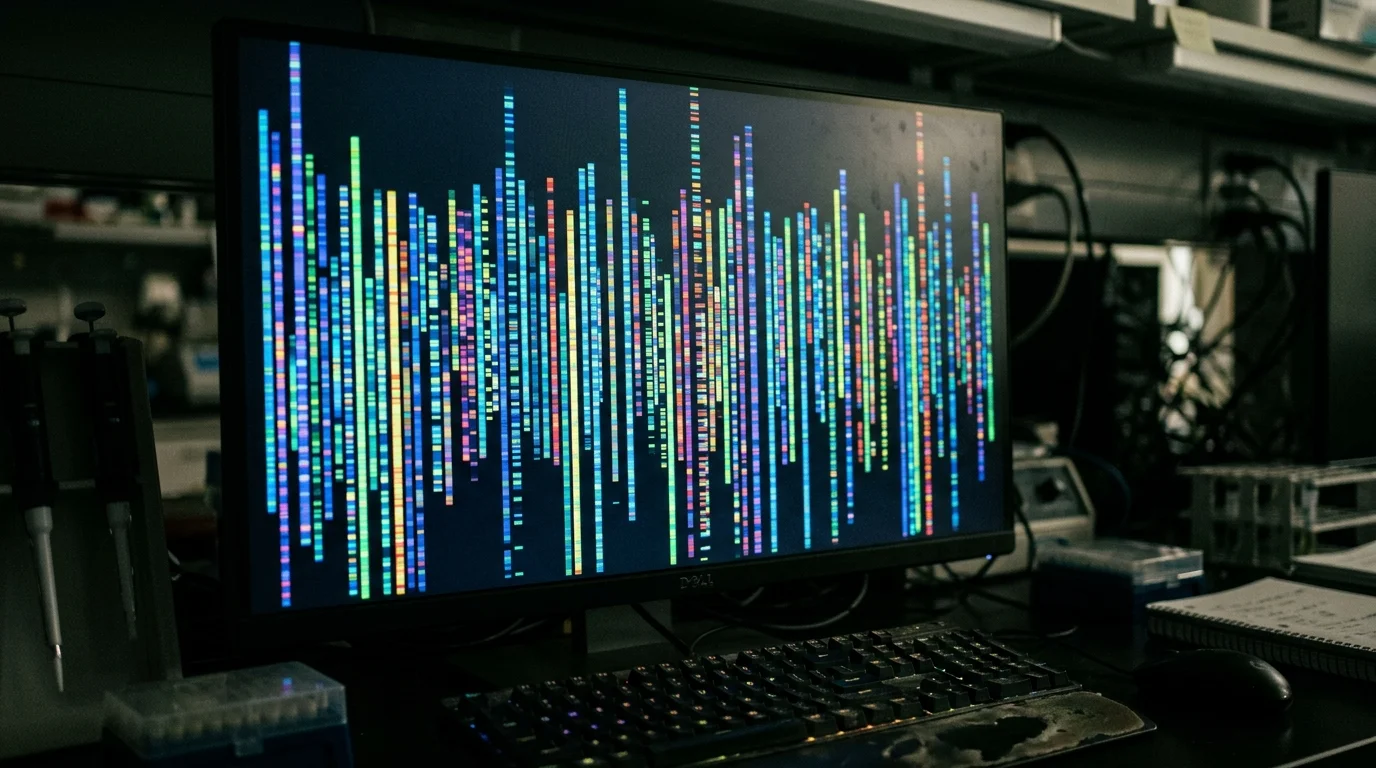
For decades, the diagnosis of CMS was limited by the scope of available testing. However, the advent of next-generation sequencing (NGS) has revolutionized the diagnostic process. Instead of testing genes one by one, clinicians can now use comprehensive gene panels or whole exome sequencing (WES) to efficiently screen all known CMS-associated genes.
This approach has several advantages. It increases the diagnostic yield, shortens the time to diagnosis, and can uncover variants in newly discovered or less common genes. For example, WES was used to identify pathogenic mutations in the RAPSN gene in a toddler who had a nondiagnostic workup, leading to immediate and effective treatment.
When CMS is suspected based on clinical signs of fatigable weakness, especially with an early onset and a negative test for AChR antibodies, a referral for genetic evaluation is warranted. Identifying the underlying genetic cause provides a definitive diagnosis, informs prognosis, allows for tailored therapy, and enables accurate genetic counseling for the family regarding recurrence risk.
* This article is educational and does not replace individualized medical advice. Diagnostic and management decisions should be made with a qualified clinician.
Want to learn more about
3billion's genetic testing?
We'll reply within 1 business day.
References
- Parr JR, et al., How common is childhood myasthenia? The UK incidence and prevalence of autoimmune and congenital myasthenia, 2014, DOI: 10.1136/archdischild-2013-304788, https://pubmed.ncbi.nlm.nih.gov/24500997/
- Das AS, et al., Use of next-generation sequencing as a diagnostic tool for congenital myasthenic syndrome, 2014, DOI: 10.1016/j.pediatrneurol.2014.07.032, https://pubmed.ncbi.nlm.nih.gov/25194721/
- Rodríguez Cruz PM, et al., Salbutamol and ephedrine in the treatment of severe AChR deficiency syndromes, 2015, DOI: 10.1212/WNL.0000000000001952, https://pmc.ncbi.nlm.nih.gov/articles/PMC4603597/
- Yang K, et al., CHRNE compound heterozygous mutations in congenital myasthenic syndrome: a case report, 2018, DOI: 10.1097/MD.0000000000010347, https://pmc.ncbi.nlm.nih.gov/articles/PMC5944527/
- Theuriet J, et al., Congenital myasthenic syndromes in adults: clinical features, diagnosis and long-term prognosis, 2024, DOI: 10.1093/brain/awae124, https://pmc.ncbi.nlm.nih.gov/articles/PMC11531845/
- Kediha MI, et al., Innovative therapeutic approaches in congenital myasthenic syndromes, 2024, DOI: 10.1212/CPJ.0000000000200277, https://pmc.ncbi.nlm.nih.gov/articles/PMC11081764/
- Ohno K, et al., Review of 40 genes causing congenital myasthenic syndromes, 2025, DOI: 10.1038/s10038-025-01355-9, https://www.nature.com/articles/s10038-025-01355-9
- Inan B, et al., Epidemiological study of congenital myasthenic syndromes based on national electronic health database of Turkiye, 2025, DOI: 10.14744/nci.2025.08455, https://pmc.ncbi.nlm.nih.gov/articles/PMC12497907/
- Rossini E, et al., Prevalence and geographical distribution of patients with congenital myasthenic syndromes in the United Kingdom, 2025, DOI: 10.1002/mus.70063, https://pmc.ncbi.nlm.nih.gov/articles/PMC12690014/

Soo-jung Baek
Marketing Manager
I strive to empower the rare disease community by sharing meaningful insights backed by our company’s expertise.