



What is ADARB1-Related Neurodevelopmental Disorder?
ADARB1-related neurodevelopmental disorder is a rare genetic condition that primarily affects the brain. Children with this disorder typically present in early infancy with a combination of severe, often intractable seizures, an abnormally small head size (microcephaly), and profound developmental delays.
Frequently asked questions
How is this condition inherited?
The disorder has an autosomal recessive inheritance pattern. This means a child must inherit one non-working copy of the ADARB1 gene from each of their parents to be affected. The parents are typically carriers who do not show symptoms.
What does the ADARB1 gene normally do?
The ADARB1 gene provides the instructions for making an enzyme called ADAR2. This enzyme is highly active in the brain, where it edits RNA messages that are crucial for the proper function of nerve cells, especially those involving glutamate receptors.
The Role of the ADARB1 Gene in Brain Development
Our genes contain the blueprints for building and running our bodies. The ADARB1 gene holds the instructions for producing a critical enzyme known as ADAR2. This enzyme has a highly specialized and vital job within the brain: RNA editing.
Think of RNA as a temporary message copied from the master DNA blueprint. Before this message is used to build a protein, ADAR2 acts like a meticulous proofreader, making precise changes to it. Specifically, it edits RNA messages that will become parts of important receptors on brain cells, including glutamate and serotonin receptors. These receptors are essential for allowing neurons to communicate effectively. When ADARB1 gene variants prevent the ADAR2 enzyme from doing its job, this vital editing process is impaired, disrupting brain signaling and leading to severe neurological consequences.
Clinical Features of ADARB1-Related Disorder
The symptoms of this condition, officially named Neurodevelopmental disorder with hypotonia, microcephaly, and seizures (NEDHYMS), are severe and appear early in life. While the presentation can vary slightly, a core set of features is consistently observed in affected individuals.
Common clinical manifestations include:
- Intractable Seizures: Seizures typically begin within the first year of life and are often difficult to control with standard medications. A variety of seizure types have been reported, including generalized tonic-clonic, myoclonic, and infantile spasms (West syndrome).
- Microcephaly: Children are born with or develop a head circumference that is significantly smaller than expected for their age and sex.
- Global Developmental Delay: Affected individuals experience profound delays in reaching all developmental milestones, including motor, cognitive, and social skills.
- Hypotonia and Spasticity: There is often a combination of low muscle tone in the trunk (axial hypotonia) and progressively stiff, tight muscles in the limbs (appendicular spasticity), as documented in case studies of affected children.
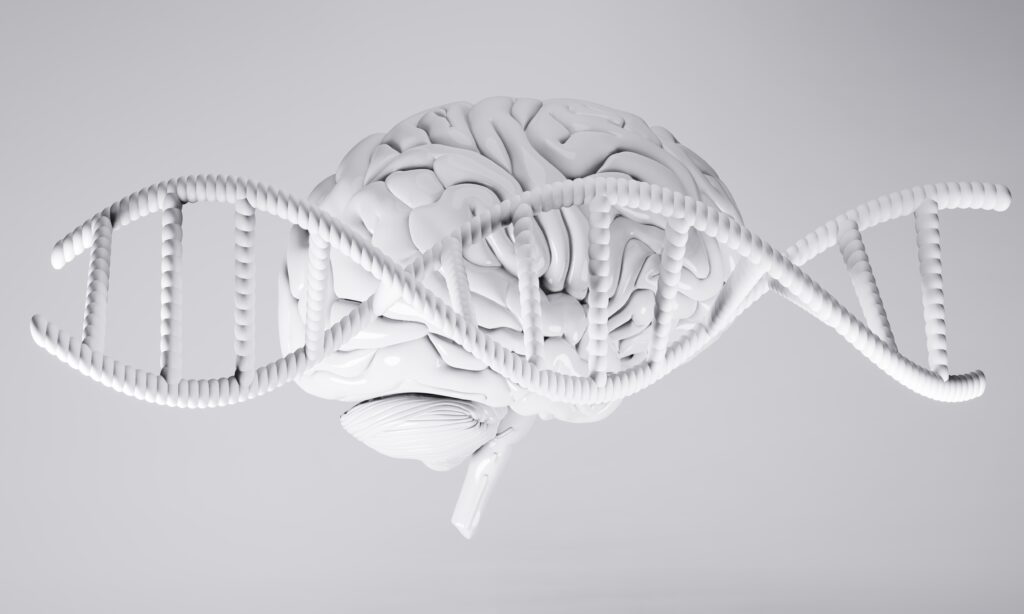
The Genetic Basis: An Autosomal Recessive Condition
ADARB1-related disorder is an autosomal recessive condition. This means that to be affected, a child must inherit a pathogenic variant in the ADARB1 gene from both of their parents. The parents, who each carry only one altered copy, are known as carriers and typically show no symptoms themselves.
The underlying mechanism is a loss of function. Research has shown that disease-causing variants, such as the p.(Arg630Gln) missense variant, result in a severe impairment of the ADAR2 enzyme’s activity. Without functional ADAR2, the essential RNA editing in the brain cannot occur correctly. The discovery of this disease mechanism was first outlined in a 2020 study by Tan et al., which linked biallelic ADARB1 variants to this distinct clinical syndrome.
Role of genetic testing
A diagnosis of ADARB1-related disorder is confirmed through genetic testing. Techniques like whole exome sequencing (WES) or whole genome sequencing (WGS) are powerful tools that can analyze a person’s complete set of genes to identify the specific variants responsible for their condition. The ADARB1 gene is recognized as a cause of severe neurodevelopmental disorders.
Importantly, a genetic diagnosis can sometimes inform treatment choices. For seizures in ADAR2 deficiency, common medications like valproic acid and levetiracetam have been found to be ineffective. However, one study highlights that perampanel, an AMPA receptor antagonist, may be a feasible treatment, directly targeting the pathway disrupted by faulty ADAR2 editing.
* This article is educational and does not replace individualized medical advice. Diagnostic and management decisions should be made with a qualified clinician.
Want to learn more about
3billion's genetic testing?
We'll reply within 1 business day.
References
- Maroofian R, et al., Biallelic variants in ADARB1, encoding a dsRNA-specific adenosine deaminase, cause a severe developmental and epileptic encephalopathy, 2021, DOI: 10.1136/jmedgenet-2020-107048, https://pmc.ncbi.nlm.nih.gov/articles/PMC8327408/
- Shi Y, et al., The diagnosis and treatment of disorders of nucleic acid/nucleotide metabolism associated with epilepsy, 2025, DOI: 10.1186/s42494-025-00201-x, https://pmc.ncbi.nlm.nih.gov/articles/PMC11959797/
- Tan TY, et al., Bi-allelic ADARB1 Variants Associated with Microcephaly, Intellectual Disability, and Seizures, 2020, DOI: 10.1016/j.ajhg.2020.02.015, https://pubmed.ncbi.nlm.nih.gov/32220291/

Soo-jung Baek
Marketing Manager
I strive to empower the rare disease community by sharing meaningful insights backed by our company’s expertise.