



Sudden Attacks of Muscle Weakness: What Is Hypokalemic Periodic Paralysis?
Hypokalemic periodic paralysis (HypoPP) is a rare, inherited skeletal muscle channelopathy characterized by episodes of flaccid muscle weakness. These attacks are directly associated with a drop in blood potassium levels (hypokalemia). During an episode, individuals may experience weakness ranging from mild difficulty with movement to near-complete paralysis, though respiratory and cranial muscles are typically spared.
The underlying cause is genetic, primarily involving mutations in genes that code for ion channels essential for muscle contraction. Genetic testing is a cornerstone of modern diagnosis, allowing for confirmation of the condition, differentiation from other forms of periodic paralysis, and facilitation of appropriate genetic counseling for families.
Frequently asked questions
How is hypokalemic periodic paralysis inherited?
Familial HypoPP is typically inherited in an autosomal dominant pattern. This means an affected individual has a 50% chance of passing the mutation to each child. However, not everyone who inherits the gene will show symptoms, a concept known as incomplete penetrance.
Are men more affected by HypoPP than women?
Yes, men tend to experience symptoms more often and more severely than women with the same genetic variant. Penetrance is estimated to be around 90% in males but is significantly reduced in females, highlighting a distinct sex-based difference in clinical expression.
What triggers attacks in hypokalemic periodic paralysis?
Common triggers include rest following strenuous exercise, high-carbohydrate or high-salt meals, stress, and certain medications. These events often cause an inward shift of potassium into muscle cells, lowering serum levels and provoking an attack.
Pathophysiology and Genetic Basis
HypoPP is fundamentally a disorder of the sarcolemma, the cell membrane of skeletal muscle fibers. The two main genes implicated are:
- CACNA1S: This gene encodes the alpha-1S subunit of the dihydropyridine receptor (DHPR), a voltage-gated calcium channel. Mutations in this gene are the most common cause of HypoPP.
- SCN4A: This gene encodes the alpha subunit of the skeletal muscle voltage-gated sodium channel, NaV1.4. Mutations here are a less frequent cause of HypoPP but are also linked to other channelopathies.
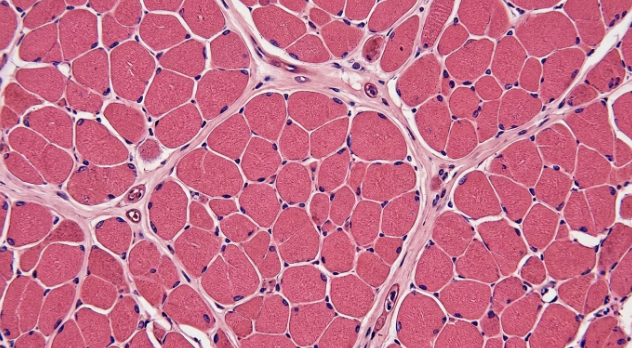
These mutations alter the channel’s gating properties, leading to an abnormal inward cation leak that depolarizes the muscle fiber membrane. This persistent depolarization renders the muscle fiber electrically inexcitable, resulting in flaccid paralysis. As potassium ions shift from the bloodstream into muscle cells to compensate for this electrical change, serum potassium levels drop, creating the characteristic hypokalemia seen during attacks. According to MedlinePlus Genetics, mutations in either CACNA1S or SCN4A can cause the condition.
Clinical Presentation and Diagnosis
Patients with HypoPP typically present with attacks of muscle weakness that can last from hours to days. Episodes typically develop in the morning after sleep, particularly after a day of strenuous activity or a large carbohydrate-rich meal. Weakness is often proximal, affecting the limbs and trunk, while consciousness and sensory function remain intact.
The diagnostic workup includes:
- Clinical History: Detailed history of attack patterns, duration, and potential triggers.
- Biochemical Testing: Documenting serum potassium levels below 3.5 mmol/L during a spontaneous or induced attack is crucial.
- Electromyography (EMG): May show reduced compound muscle action potential (CMAP) amplitudes during an attack.
- Molecular Genetic Testing: DNA sequencing of CACNA1S and SCN4A is the gold standard for confirming a diagnosis, especially when clinical features are ambiguous.
Differential Diagnosis
A key differential is thyrotoxic periodic paralysis (TPP), which presents with identical symptoms but is secondary to hyperthyroidism. TPP is sporadic, more prevalent in individuals of Asian descent, and can be associated with mutations in the KCNJ18 gene. Other conditions to consider include hyperkalemic periodic paralysis, Andersen-Tawil syndrome, and secondary causes of hypokalemia.
Prevalence and Inheritance Patterns
HypoPP is a rare disorder. Estimates of its prevalence vary, but several sources place it around 1 in 100,000 individuals. While rare overall, it is the most common form of periodic paralysis.
The condition is inherited in an autosomal dominant manner, meaning an affected individual has a 50% chance of passing the pathogenic variant to their offspring. However, the condition exhibits incomplete penetrance, particularly in females. For example, one study of a family with a CACNA1S mutation found complete penetrance in males but only 83% penetrance in female carriers. This explains why some individuals with a known pathogenic variant may remain asymptomatic or experience only mild symptoms throughout their lives, while male relatives are more severely affected. Over time, some patients may develop a progressive, fixed proximal myopathy, even between attacks, underscoring the importance of long-term management.
* This article is educational and does not replace individualized medical advice. Diagnostic and management decisions should be made with a qualified clinician.
Want to learn more about
3billion's genetic testing?
We'll reply within 1 business day.
References
- Wang Q, et al. Novel CACNA1S mutation causes autosomal dominant hypokalemic periodic paralysis in a Chinese family. 2005. DOI: 10.1007/s00109-005-0638-4
- Horga A, et al. Prevalence study of genetically defined skeletal muscle channelopathies in England. 2013. DOI: 10.1212/WNL.0b013e31828cf8d0
- Neki NS. Hyperthyroid hypokalemic periodic paralysis. 2016. DOI: 10.12669/pjms.324.11006
- Holm-Yildiz S, et al. Hypokalemic periodic paralysis: a 3-year follow-up study. 2023. DOI: 10.1007/s00415-023-11964-z

Soo-jung Baek
Marketing Manager
I strive to empower the rare disease community by sharing meaningful insights backed by our company’s expertise.